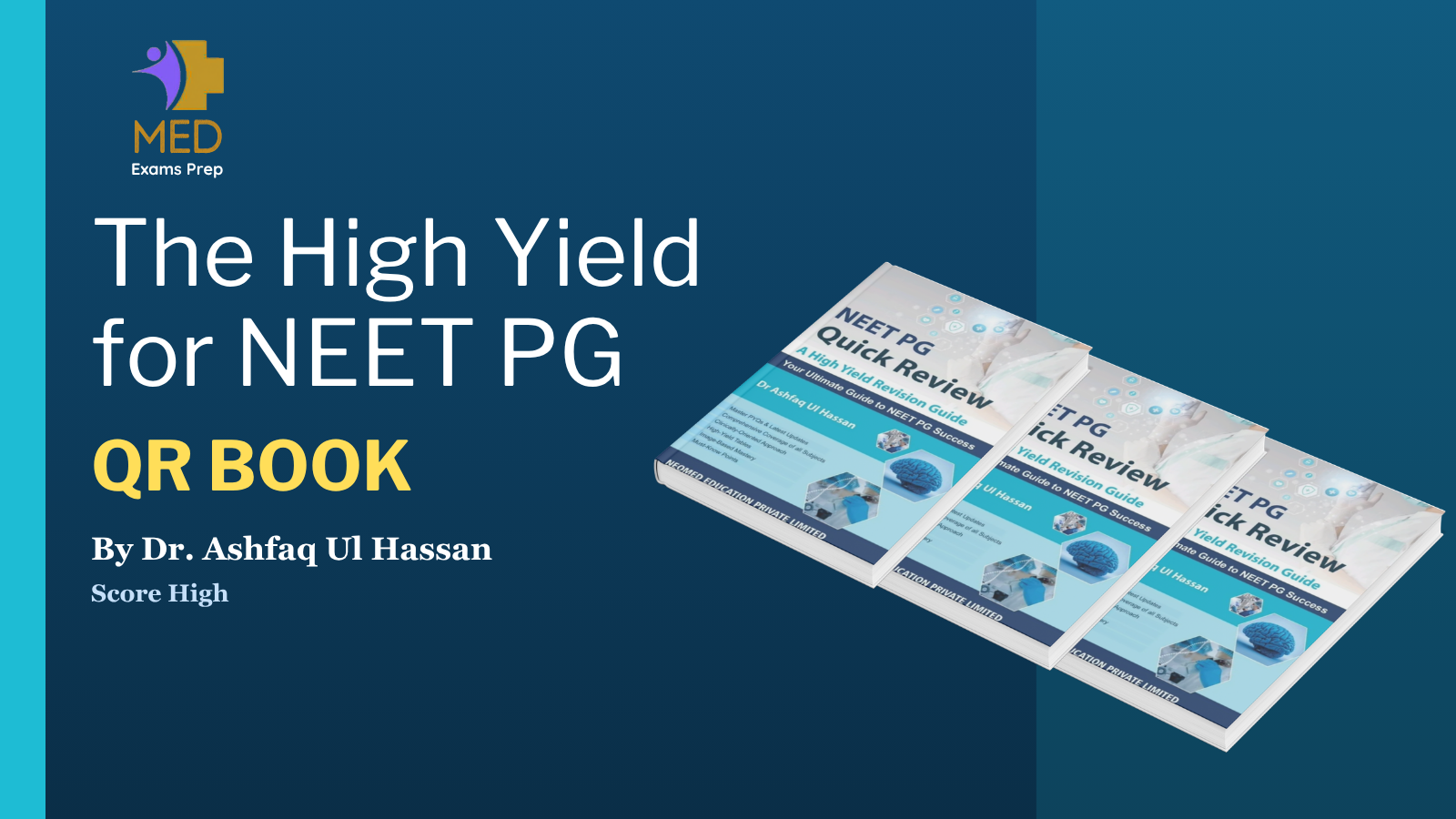
NEET PG . Preparing Neet Pg
The healthcare industry relies heavily on the quality of its doctors. In India, postgraduate medical training is the key to providing quality specialists. The National Eligibility cum Entrance Test for Postgraduate Courses (NEET PG) serves as the ultimate benchmark for selecting these future specialists.
However, clearing this exam requires immense discipline, consistency, and the right guidance. Dedicated educators, such as Dr. Ashfaq Ul Hassan, play a transformative role in guiding aspirants through this high-stakes journey.
Understanding the Importance of NEET PG
Organised by the National Board of Examinations in Medical Sciences (NBEMS), NEET PG is the single-window admission test for MD, MS, PG Diploma, and DNB courses across India.
Key Exam Facts:
- Consolidated Exam: Replaces individual state and institutional tests to ensure fairness.
- Format: Computer-based test featuring 200 multiple-choice questions.
- Duration: 3.5 hours with a positive and negative marking system.
- High Competition: Over two lakh medical graduates compete annually for limited seats.
The Future of Medical Specialisation
India’s healthcare system is evolving rapidly due to population growth and an increasing disease burden. The nation urgently needs highly trained specialists in fields like internal medicine, surgery, paediatrics, radiology, and critical care.
How NEET PG Elevates Healthcare:
- Bridges the Gap: Connects undergraduate MBBS education with advanced clinical specialist training.
- Drives Innovation: Skilled specialists improve patient outcomes and advance medical research.
- Promotes Clinical Logic: The exam format now prioritises clinical scenario-based and image-based questions over simple rote memorisation.
Challenges Faced by NEET PG Aspirants
Preparing for NEET PG is an uphill battle that tests a candidate's mental and academic limits.
- Vast Syllabus: Candidates must revise years of comprehensive MBBS coursework in a limited timeframe.
- Intense Competition: The number of graduates heavily outnumbers the available postgraduate seats.
- Time Management: Many aspirants must balance hectic hospital internship duties with strict study schedules.
- Policy Uncertainty: Ongoing discussions around the National Exit Test (NEXT) add to student anxiety.
The Contribution of Dr. Ashfaq Ul Hassan
In a high-pressure environment, academic teaching alone is not enough. True mentorship requires building confidence and strategic direction. Dr. Ashfaq Ul Hassan has made a highly regarded impact on the medical education sector through a student-centric coaching philosophy:
- Conceptual Clarity: Replaces rote learning with logic and analytical clinical reasoning.
- Mental Resilience: Helps students fight burnout, anxiety, and self-doubt with positive motivation.
- Structured Consistency: Emphasises regular revision routines and effective mock test practices over short study bursts.
- Ethical Values: Reminds future doctors to look beyond exam ranks and serve humanity with compassion and integrity.
Effective Strategies for NEET PG Success
To crack the exam, toppers and educators recommend a smart, systematic approach:
- Concept-Based Learning: Focus deeply on practical application and clinical reasoning.
- Regular Revision: Utilize short notes, flashcards, and charts to retain the vast syllabus.
- MCQ & Mock Practice: Simulate exam conditions regularly to improve speed and accuracy.
- Integrated Learning: Connect overlapping concepts between pathology, pharmacology, medicine, and surgery.
- Prioritise Mental Health: Protect your sleep and emotional well-being to avoid long-term burnout.
The Road Ahead
As India expands its medical infrastructure, NEET PG remains critical to maintaining high quality and merit in specialist selection. Digital learning platforms, AI-assisted tools, and dedicated mentors like Dr. Ashfaq Ul Hassan will continue to shape the next generation of skilled, compassionate, and responsible medical specialists.
#NEETPG #MedicalAspirants #MedEdIndia #DoctorLife #DrAshfaqUlHassan #MedicalMentorship #MBBS #MD #MS #PostGraduateMedicine #ClinicalLearning #IndianHealthcare
The healthcare industry of any country relies heavily on the quality of its doctors. In India, postgraduate medical training is one of the key factors in providing quality specialists who will be able to cope with the increasing healthcare requirements of their people. Thus, the National Eligibility cum Entrance Test for Postgraduate Courses (NEET PG) has become the most important entrance test through which MBBS graduates may pursue specialisation in various fields of medicine.
NEET PG is much more than just a simple entrance exam because it decides the careers of thousands of young doctors. This exam has standardised the postgraduate admission procedure in India and developed a transparent selection process for future specialists in the healthcare industry. However, the preparation process for the NEET PG exam is very tough, demanding discipline, consistency, perseverance, and the right guidance from one's tutors.
For All Latest Books :
Purchase Here
It goes without saying that the roles of mentors and teachers in the life of every doctor candidate are extremely important. One of the people who has made a positive contribution to the medical education sector in terms of student guidance and motivation is Dr Ashfaq Ul Hassan.
Understanding the Importance of NEET PG
The National Eligibility cum Entrance Test (Postgraduate), commonly referred to as NEET PG, is organised by the National Board of Examinations in Medical Sciences (NBEMS). The examination acts as the one-stop solution for the admission of MD/MS students, PG Diplomas, DNB, and some other postgraduate courses offered in various hospitals across India.
The examination was put in place with the main aim of consolidating the state-level and institution-level entrance tests into one examination. This test has become an integral part of postgraduate medical education in India since it ensures fairness and merit in selecting medical graduates from different parts of India.
This test is computer-based, and it tests students in all disciplines of study covered in the MBBS course. The test involves answering 200 multiple-choice questions in 3.5 hours using positive and negative marking system.
As indicated by recent educational reports, more than two lakh medical graduates apply for this test each year for the few available postgraduate seats.
NEET PG and the Future of Medical Specialisation
India’s healthcare system is evolving rapidly due to population growth, technological advancements, and increasing disease burden. The country requires highly trained specialists in fields such as internal medicine, surgery, paediatrics, radiology, cardiology, psychiatry, and critical care. NEET PG acts as the bridge between undergraduate medical education and advanced specialist training.
Postgraduate medical education directly influences the quality of healthcare services available to society. Skilled specialists improve patient outcomes, contribute to medical research, strengthen public health systems, and enhance medical innovation. Studies discussing postgraduate medical education in India emphasise that specialist training is essential for improving healthcare accessibility and quality nationwide.
NEET PG also encourages academic excellence among medical students. Since the examination tests clinical application and analytical reasoning rather than simple memorisation, students are motivated to develop a deeper understanding of medical science. Recent exam trends show a growing focus on clinical scenario-based and image-based questions that evaluate real-life decision-making abilities.
In this way, NEET PG contributes not only to academic competition but also to the development of competent, responsible, and knowledgeable medical specialists.
Challenges Faced by NEET PG Aspirants
Despite its importance, NEET PG preparation is extremely demanding. Medical students preparing for the examination often face intense academic pressure, emotional stress, and uncertainty regarding their future.
One major challenge is the vast syllabus. The exam includes all subjects taught during MBBS, requiring candidates to revise years of medical education within a limited preparation period. Students must simultaneously master theory, clinical concepts, diagnostic reasoning, and image interpretation.
Another challenge is competition. Reports indicate that the number of MBBS graduates is significantly higher than the number of available postgraduate seats, creating immense pressure among aspirants. This intense competition often leads to stress, burnout, anxiety, and self-doubt among students.
Time management also becomes difficult because many candidates prepare while completing internships or hospital duties. Balancing clinical work with revision and mock tests requires strong discipline and planning.
In addition, uncertainty regarding examination schedules, changing policies, and discussions around the future implementation of the National Exit Test (NEXT) have increased anxiety among medical graduates in recent years.
Because of these challenges, mentorship and emotional support have become increasingly important in the NEET PG preparation journey.
The Role of Mentorship in Medical Education
Medical education is not solely dependent on textbooks and examinations. It also requires guidance, encouragement, and mentorship from experienced professionals. A mentor helps students build confidence, improve study strategies, and maintain emotional balance during difficult phases of preparation.
The importance of mentorship in NEET PG preparation has grown significantly in recent years. Educational platforms and mentorship programs now focus not only on academic teaching but also on personalised guidance, stress management, and strategic planning.
A good mentor understands the struggles faced by medical students and helps them approach preparation systematically. Mentorship encourages students to remain consistent, disciplined, and motivated despite setbacks.
This is where educators and guides like Dr Ashfaq Ul Hassan have contributed meaningfully to the academic journey of aspiring doctors.
Contribution of Dr Ashfaq Ul Hassan
Dr Ashfaq Ul Hassan is admired by many students for his dedication toward medical education and student mentorship. His contribution lies in motivating medical aspirants to pursue excellence with discipline, clarity, and determination.
One of the key aspects of Dr. Ashfaq Ul Hassan’s approach is his emphasis on conceptual understanding rather than rote memorisation. NEET PG increasingly focuses on clinical reasoning and practical application, making conceptual clarity essential for success. Through his guidance, students are encouraged to understand the logic behind medical concepts and develop analytical thinking skills.
Another important contribution of Dr Ashfaq Ul Hassan is his focus on student motivation and mental resilience. NEET PG preparation can often become emotionally exhausting due to long study hours and continuous pressure. By motivating students to maintain confidence and positivity, he has helped many aspirants overcome fear and self-doubt.
He also emphasises the importance of consistency in preparation. According to many successful educators, NEET PG success depends not on short bursts of intense study but on regular revision, disciplined routines, and continuous practice. Dr Ashfaq Ul Hassan encourages students to follow structured schedules, revise repeatedly, and practice mock tests effectively.
In addition to academics, he promotes ethical values in medicine. He reminds aspiring doctors that medical education is not only about securing ranks or postgraduate seats but also about serving humanity with compassion, honesty, and professionalism. Such guidance is essential in shaping responsible and empathetic medical specialists.
For many young doctors, mentors like Dr Ashfaq Ul Hassan become a source of inspiration and support during one of the most stressful phases of their academic lives.
Effective Strategies for NEET PG Preparation
Success in NEET PG requires a smart and systematic approach. Over the years, educators and toppers have highlighted several important preparation strategies.
1. Concept-Based Learning
Students should focus on understanding medical concepts deeply instead of relying entirely on memorisation. Clinical reasoning is becoming increasingly important in NEET PG examinations.
2. Regular Revision
Revision is the key to retaining information from the vast MBBS syllabus. Short notes, flashcards, and revision charts can help students revise efficiently.
3. MCQ Practice and Mock Tests
Practising multiple-choice questions improves accuracy, speed, and confidence. Mock tests help students identify weak areas and improve time management.
4. Integrated Learning
NEET PG often includes integrated clinical questions combining multiple subjects. Students should develop connections between pathology, pharmacology, medicine, surgery, and diagnostics.
5. Mental Health and Balance
Students must prioritize adequate sleep, physical activity, and emotional well-being. Avoiding burnout is essential for long-term preparation success.
Educators like Dr. Ashfaq Ul Hassan emphasize these practical principles and encourage students to prepare with confidence rather than fear.
The Future of NEET PG and Medical Education in India
India’s medical education system continues to evolve rapidly. Digital learning platforms, online coaching, AI-assisted learning, and mentorship programs are transforming how students prepare for competitive examinations.
Experts believe that postgraduate medical training in India must continue expanding to meet the healthcare demands of the country. Research discussing postgraduate medical education highlights the need for more training opportunities, better infrastructure, faculty support, and balanced distribution of specialist training across regions.
At the same time, NEET PG remains a crucial mechanism for maintaining merit and quality in specialist selection. As examination patterns evolve toward practical and competency-based assessment, mentors and educators will continue playing a central role in preparing future doctors.
The contribution of dedicated educators like Dr Ashfaq Ul Hassan becomes especially valuable in this context because they provide not only academic knowledge but also inspiration, ethical guidance, and emotional support.
Conclusion
NEET PG is far more than a competitive examination. It is a defining stage in the journey of every aspiring medical specialist in India. The examination shapes the future of healthcare by selecting and training doctors who will serve society in various specialised fields.
While the journey is difficult and highly competitive, proper mentorship, discipline, and determination can help students achieve success. In today’s demanding academic environment, mentors who guide students with sincerity and compassion make a lasting impact.
Dr Ashfaq Ul Hassan has contributed positively to this mission through his dedication to conceptual learning, student motivation, disciplined preparation, and ethical medical values. His guidance continues to inspire medical aspirants to pursue excellence while remaining committed to the noble responsibilities of the medical profession.
As India advances toward a stronger healthcare future, NEET PG and dedicated mentors like Dr. Ashfaq Ul Hassan will continue shaping the next generation of skilled, compassionate, and responsible medical specialists.